


-

Add: HeBei ShengShi HongBang Cellulose Technology CO.,LTD.
-

Email
13180486930@163.com -

CONTACT US
+86 13180486930




Understanding the distinctions between HPMC K and E series is critical for various industries, such as pharmaceuticals, food, and construction, where these compounds play pivotal roles. Hydroxypropyl methylcellulose (HPMC) is a versatile material with broad applications due to its unique properties. Both K and E series differ primarily in their methoxy and hydroxypropyl content, impacting their solubility, viscosity, and gelation properties, which ultimately influence their suitability for specific applications. The K series of HPMC is characterized by higher methoxy content compared to the E series. This feature significantly affects its water solubility, gelling temperature, and viscosity. Due to its distinct solubility profile, the K series is often favored in applications requiring rapid dissolution in cold water, making it particularly useful in pharmaceutical industries for sustained-release formulations. For instance, in oral drug delivery systems, the release rate of active ingredients can be meticulously controlled using K series HPMC, providing consistent therapeutic effects. Its higher gelation temperature is suitable for formulations that require stability at higher temperatures, reducing the risk of premature gelation during processes such as granulation and tableting. Conversely, the E series contains a higher proportion of hydroxypropyl groups, influencing its viscosity and thermal gelation properties. This series is known for forming viscous solutions at lower concentrations, which is advantageous in applications where higher viscosity is needed without adding excess material. Its lower gelling temperature and increased swellability make it ideal for use in environments that require quick formation of a gel-like texture, such as in food products. The E series can enhance the texture and thickness of sauces and dressings, providing a desirable mouthfeel and stability over extended shelf-life periods. difference between hpmc k and e series In the construction industry, the adhesive and film-forming properties of both HPMC K and E series are exploited in applications like tile adhesives and cement renders. The K series, with its rapid solubility, is often utilized in formulations that require quicker setting times. It improves workability and open time, ensuring that construction professionals have enough time to adjust and position materials accurately, while still benefiting from strong adhesion once cured. The E series, due to its ability to form thick gels, is valuable in applications demanding high water retention and resistance to sagging during drying. Professionals across diverse industries must recognize that the selection between HPMC K and E series should be guided by specific application requirements such as solubility, viscosity, gelling temperature, and regulatory compliance. Understanding these properties and their implications for product performance can lead to optimized formulations that meet stringent industry standards and consumer expectations. Engaging with experienced suppliers who can provide detailed technical specifications and support is essential for making informed decisions . Furthermore, pilot testing and in-situ evaluations remain prudent practices to validate the suitability of HPMC grade selections under real-world conditions, ensuring that the final product delivers reliable performance. The nuances between HPMC K and E series underscore the importance of meticulous selection in achieving desired outcomes across varied applications. As industries continue to innovate, the adaptability and distinct characteristics of HPMC will likely contribute to novel uses, expanding its functional potential and reinforcing its integral role in modern material science.
- 40000tons

Production
- 20+years

Experience
- 5000+㎡

Acreage

-
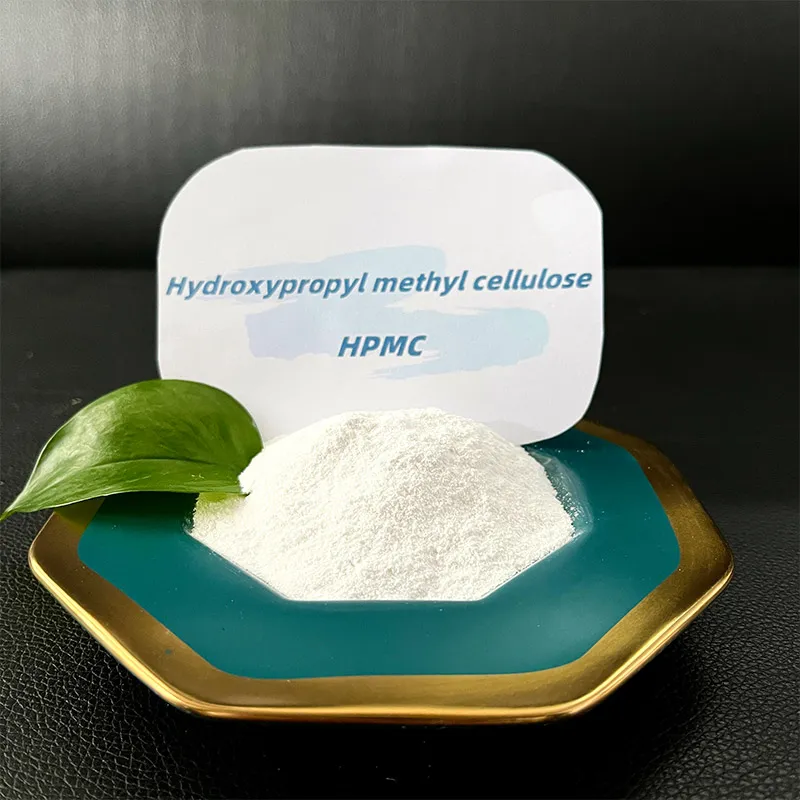
Tylose HPMC, commonly known as Hydroxypropyl Methylcellulose, is a multifunctional ingredient that continues to gain traction globally, particularly in the construction, pharmaceutical, and food industries. Its unique properties make it essential for enhancing product performance across various applications, from thickening agents in food products to adhesive functionalities in construction materials. Understanding its versatility not only highlights the expertise behind its formulation but also instills trust in industries relying on its advantages. Within the construction sector, Tylose HPMC is celebrated for its role in improving the workability and performance of construction materials. When integrated into cement-based products, it acts as a water retention agent, significantly enhancing the open time and working conditions of tile adhesives, plasters, and mortars. This is pivotal for construction professionals seeking products that offer consistent quality and ease of application. In addition, Tylose HPMC contributes to improved adhesion and sag resistance, ensuring stability and longevity of the applied products, a factor critically acclaimed by construction experts who prioritize durability. In pharmaceutical formulations, Tylose HPMC is revered for its efficacy and safety. It serves as a binder in tablet manufacturing, providing mechanical strength and controlled release properties essential for high-quality pharmaceutical products. This utility is validated by numerous studies showcasing its biocompatibility and non-toxicity, which are paramount for applications where product safety is of utmost importance. The molecule's ability to form a protective colloid also lends to its use in ophthalmic solutions, where it helps in retaining moisture and providing soothing relief, assuring medical professionals of its adaptability and reliability in sensitive applications. The food industry leverages Tylose HPMC for its thickening and stabilizing properties . Its use in food products like sauces and dressings results in desirable textures and consistency without altering the taste. Recognized for being non-digestible and therefore not contributing to calorie intake, it offers an appealing solution for developing low-calorie and dietary-specific products. Food technologists value this capability, as it aligns with the increasing consumer demand for health-oriented products without compromising on sensory attributes. tylose hpmc Tylose HPMC’s environmental benefits cannot be overlooked, particularly its role in promoting sustainability. Derived from cellulose, a plant-based raw material, Tylose HPMC is biodegradable, exerting minimal impact on the environment. Its ability to replace synthetic alternatives in various applications endorses its use in industries aiming for greener and more sustainable practices. This adaptability not only champions eco-friendliness but also reaffirms the trust of environmentally conscious manufacturers and consumers. The credibility of Tylose HPMC is further solidified by its inclusion in various industry standards and certifications, which authenticate its quality and efficacy across applications. Users and developers around the world rely on these endorsements to ensure they are incorporating a component that adheres to the top-tier standards of performance. This authoritative backing is crucial for professionals who demand consistent results, pushing Tylose HPMC to become a staple choice globally. In essence, Tylose HPMC's unique properties underscore its status as an indispensable material across multiple industries, reinforcing its standing as a product of scientific expertise and trustworthiness. Its ability to address critical functionalities, from enhancing construction material performance to contributing to advances in pharmaceutical and food technology, exemplifies the depth of its application spectrum. As industries continue to innovate and enhance their offerings, the role of Tylose HPMC becomes increasingly significant, bridging the gap between advanced material solutions and sustainable practices.
-
Hydroxypropyl methylcellulose (HPMC), a multifunctional polymer, serves as a key excipient in tablet formulations, playing a pivotal role in the pharmaceutical industry. Renowned for its versatile applications in tablet production, HPMC's functionalities extend to improving the physical and release characteristics of tablets, thereby enhancing the overall drug delivery system. Its frequent use arises from its non-toxic, non-allergenic properties, making it a trusted ingredient for oral delivery systems. HPMC is crucial as a binder, a film-coating agent, and a controlled release polymer. In the binding process, HPMC serves as an adhesive that holds the tablet ingredients together, ensuring structural integrity and consistency during manufacturing, transportation, and storage. Being water-soluble, HPMC easily hydrates and swells, forming a gel-like structure that aids in maintaining tablet cohesion. This characteristic dramatically minimizes the occurrence of tablet fragmentation or disintegration before it reaches the consumer, maintaining the dosing accuracy vital for therapeutic effectiveness. In the realm of film coating, HPMC provides tablets with a protective outer layer that inhibits moisture, oxygen, and light degradation—common factors that can affect the active pharmaceutical ingredients' (API) stability. The film forming capability of HPMC is instrumental in ensuring aesthetic appeal by smoothing the surface of the tablet, which can also facilitate branding through printing or distinct coloring. Additionally, the use of film coatings can assist in masking unpleasant taste and odor, further improving patient compliance. A more sophisticated application of HPMC is in controlling the release of APIs. The development of sustained-release or extended-release formulations allows a gradual release of the medication over time, which can be crucial for drugs requiring consistent blood concentration levels. HPMC achieves this by forming a gel barrier when exposed to gastrointestinal fluids, controlling the rate at which the medication is released. This controlled release mechanism provides substantial benefits such as reduced dosing frequency, improved patient adherence, and minimized side effects due to peak plasma spikes. hpmc used in tablets From an expertise perspective, the manipulation of HPMC’s molecular weight and substitution pattern allows pharmaceutical scientists to tailor its properties to specific formulation needs. This capability underscores HPMC's role in formulating both immediate and controlled-release dosage forms. Its compatibility with a wide range of active substances further validates its indispensable utility in drug formulation. Studies affirm HPMC's safety profile, with substantial documented evidence supporting its non-toxicity and tolerability, earning the confidence of regulatory bodies globally. Experts consistently endorse its use, given its minimal interaction with APIs and excipients, ensuring that drug integrity is preserved throughout the shelf life. This adds credence to HPMC's credibility and trustworthiness in pharmaceutical applications. Moreover, real-world experience attests to HPMC’s reliability . Pharmaceutical companies globally report high levels of satisfaction with its performance, notably in enhancing product stability and patient compliance. Consistent with evolving consumer demands and regulatory guidelines, HPMC continues to be at the forefront of innovation in tablet formulation technology. In conclusion, Hydroxypropyl methylcellulose remains an exemplary choice for tablet formulation due to its multifunctional attributes and unparalleled reliability. Its ability to adapt to diverse formulation needs reaffirms its status as a cornerstone of tablet technology, combining professional expertise, safety, and performance. Such features assure both manufacturers and consumers of its efficacy, safety, and continuation as a preferred excipient in tablet development.
advantages
-

200000 Viscosities
Excellent product
We can produce pure products up to 200,000 viscosities
-

40000 tons
High yield
We don’t stop production all year round, and the annual output can reach 40,000 tons
-

24 hours
Quality service
We provide 24-hours online reception service, welcome to consult at any time
———— Inquiry Form
Schedule A services

-
 polypropylene_fibres_for_concrete
Oct . 25, 2025
Hydroxypropyl Methylcellulose (HPMC) has emerged as a versatile compound with increasing application -
 polvo_de_latex_redispersable
Oct . 25, 2025
The Significance of Nylon Fiber in Modern Textiles Nylon fiber, first introduced in the 1930s, revol -
 hpmc_k100m
Oct . 25, 2025
Hydroxypropyl distarch phosphate (HDP) is an essential modified starch used across a variety of indu


